An encyclopedia of 78 sports
How every game is played, and why its rules are the way they are.
Each sport is explained for someone who has never seen it: one rally, bout or race from start to finish, the playing area drawn to scale, the words players use, and the laws in force. Behind every law is the rule change that made it, with its date, its reason and its source.
- 78
- sports explained
- 57
- playing areas drawn
- 1145
- terms defined
- 360
- rule changes
one rally or race, step by step
from the measurements in the laws
each sport's own words
each with a date and a reason
Start with a game
A few to begin with, some watched everywhere and some barely known outside the places that play them.
- FootballTwo teams of eleven try to put a ball into the other team's goal, using any part of the body except the hands and arms.

- BadmintonA net game for two or four players, hit with rackets and played with a feathered shuttle that must never touch the floor.
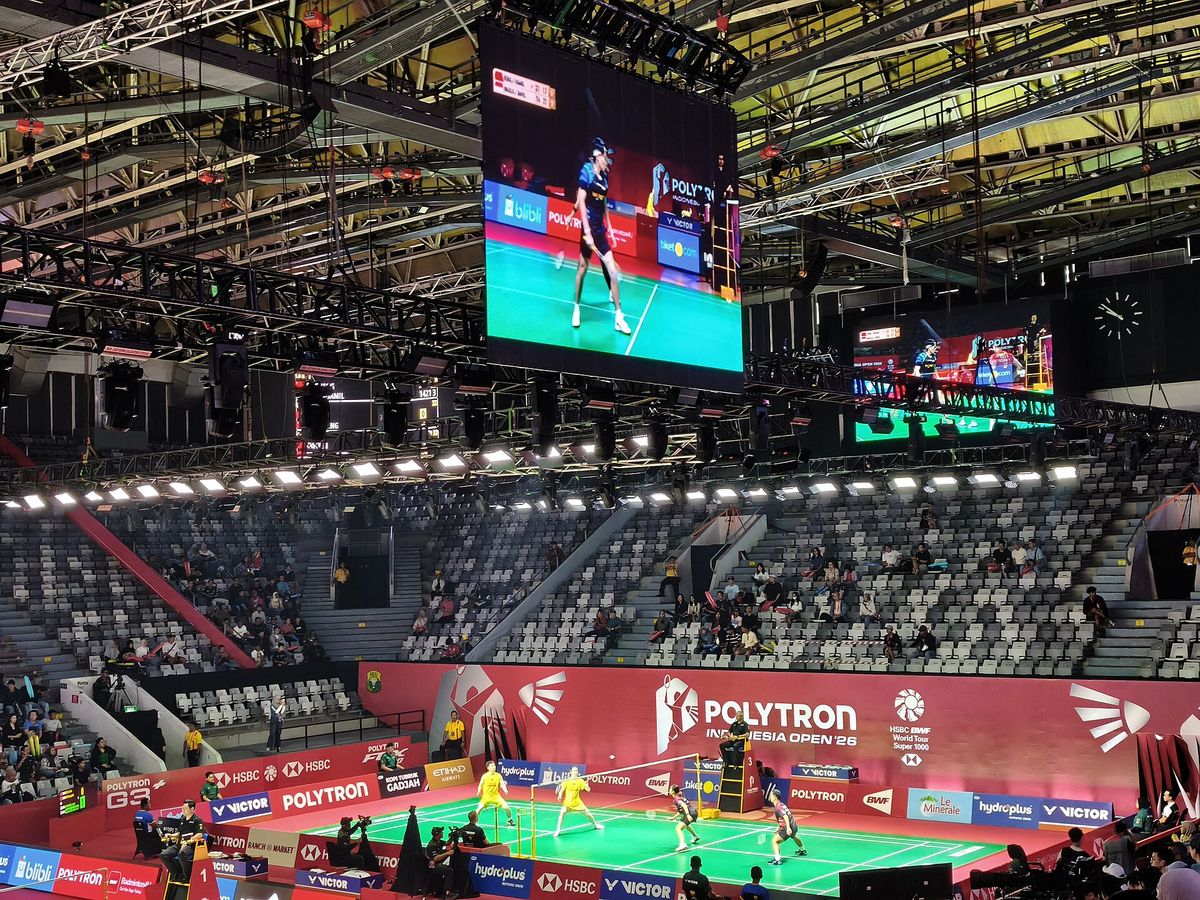
- CricketA bat-and-ball game for two teams of eleven, in which one side bowls at a wicket and the other defends it and scores runs.
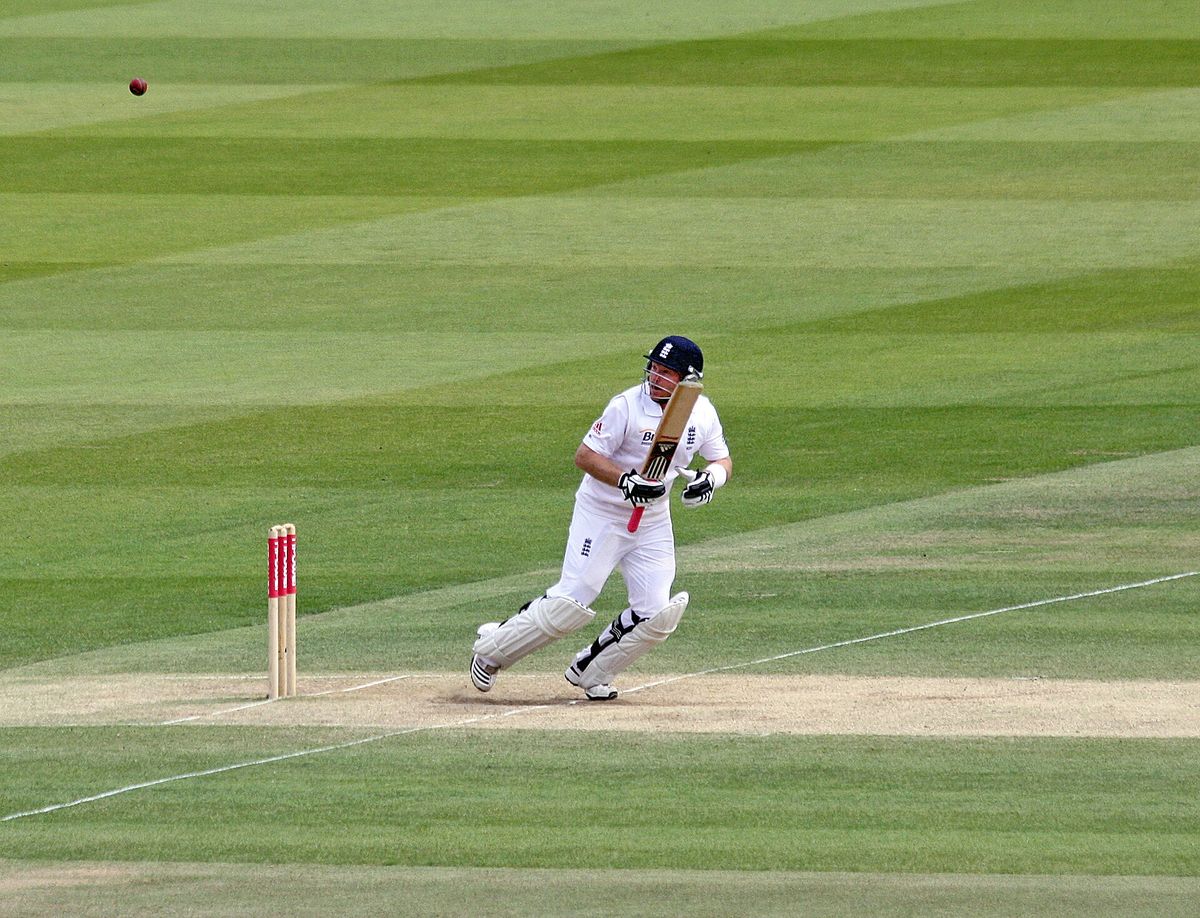
- JudoA Japanese grappling sport in which two fighters in heavy jackets try to throw each other flat on the back, or hold each other down on the mat.
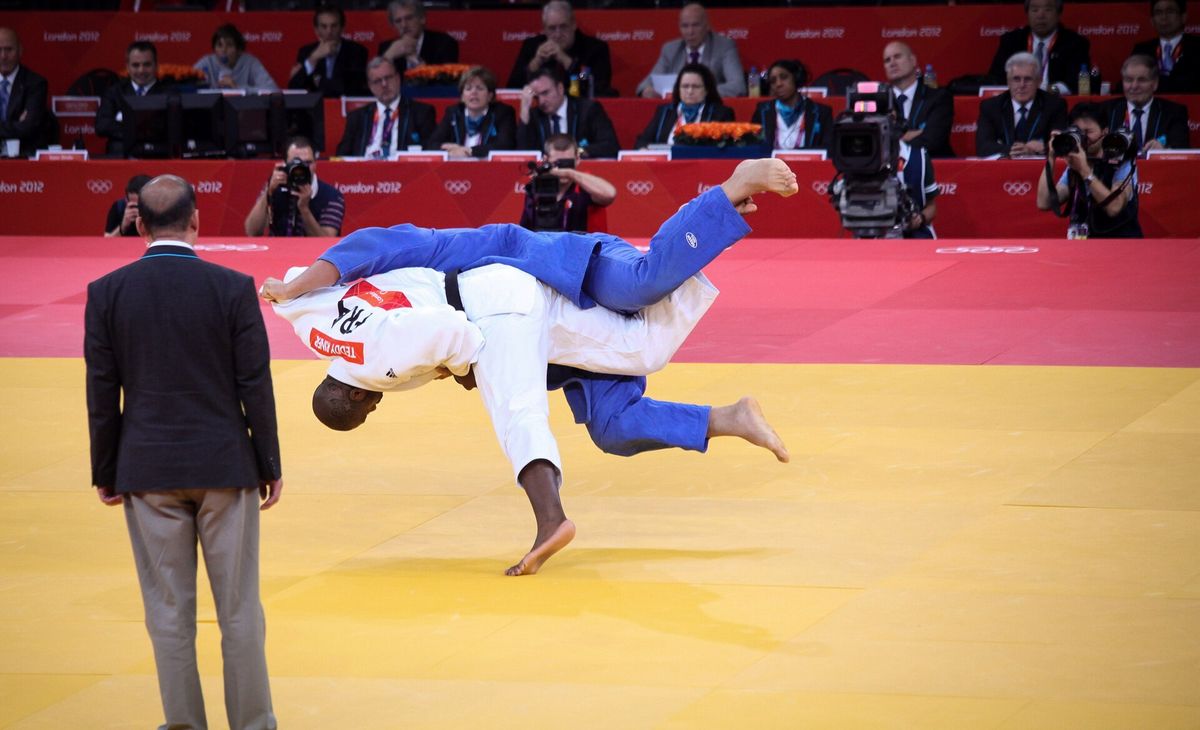
- VolleyballA team game for six a side: send the ball over a high net in three touches or fewer, never catching it, and make it land on the other team's floor.
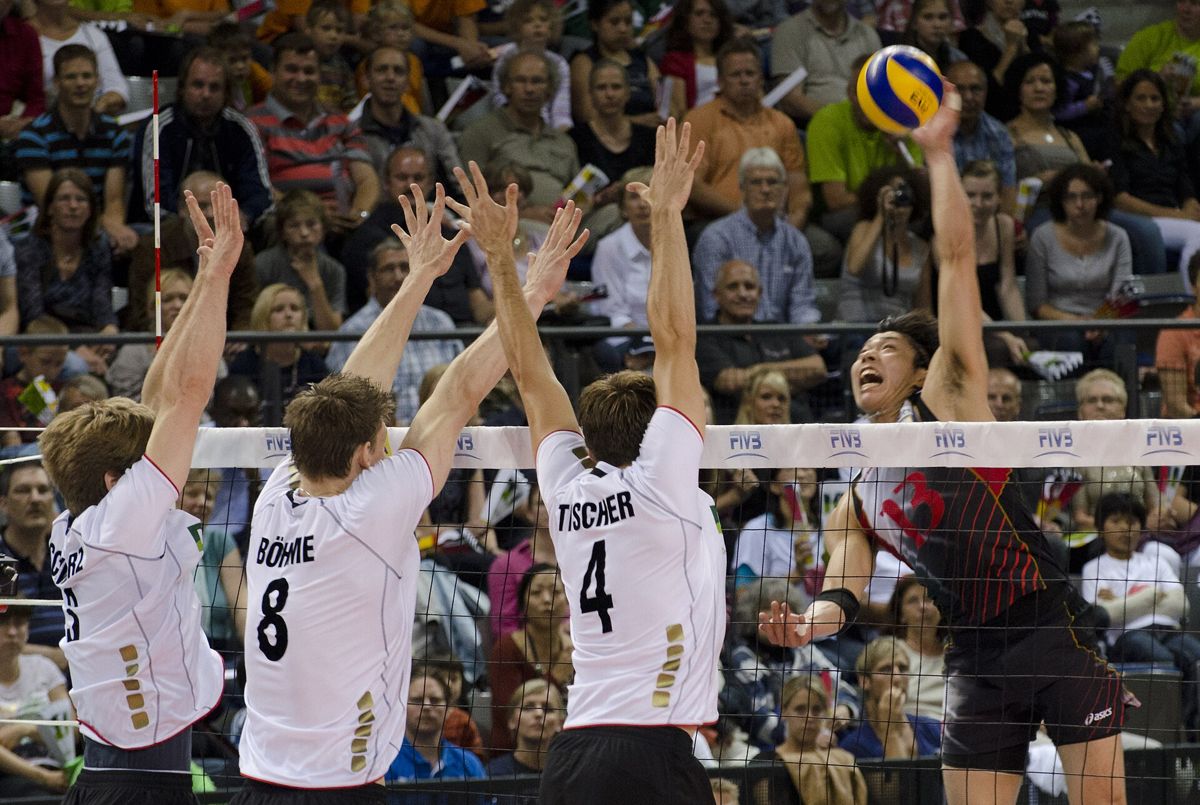
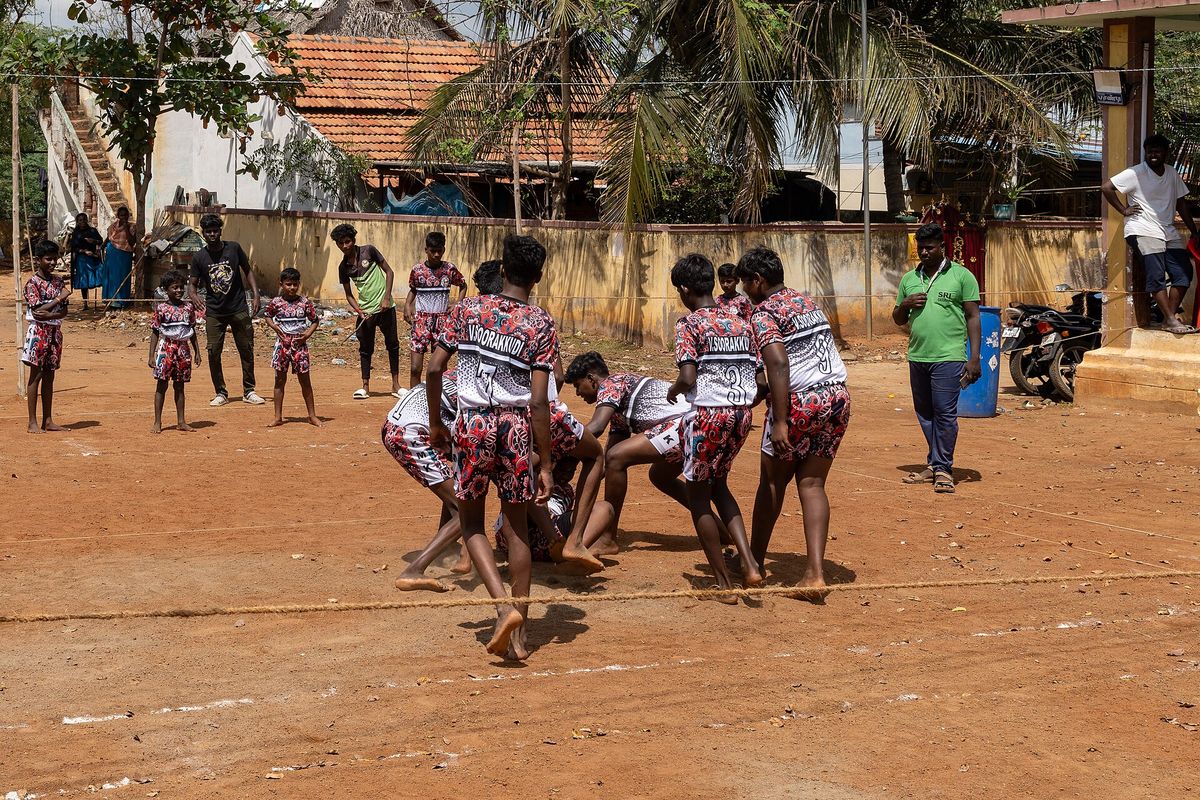
- KabaddiA team game from South Asia in which one player at a time runs into the other half, chanting on one breath, to touch defenders and get back.
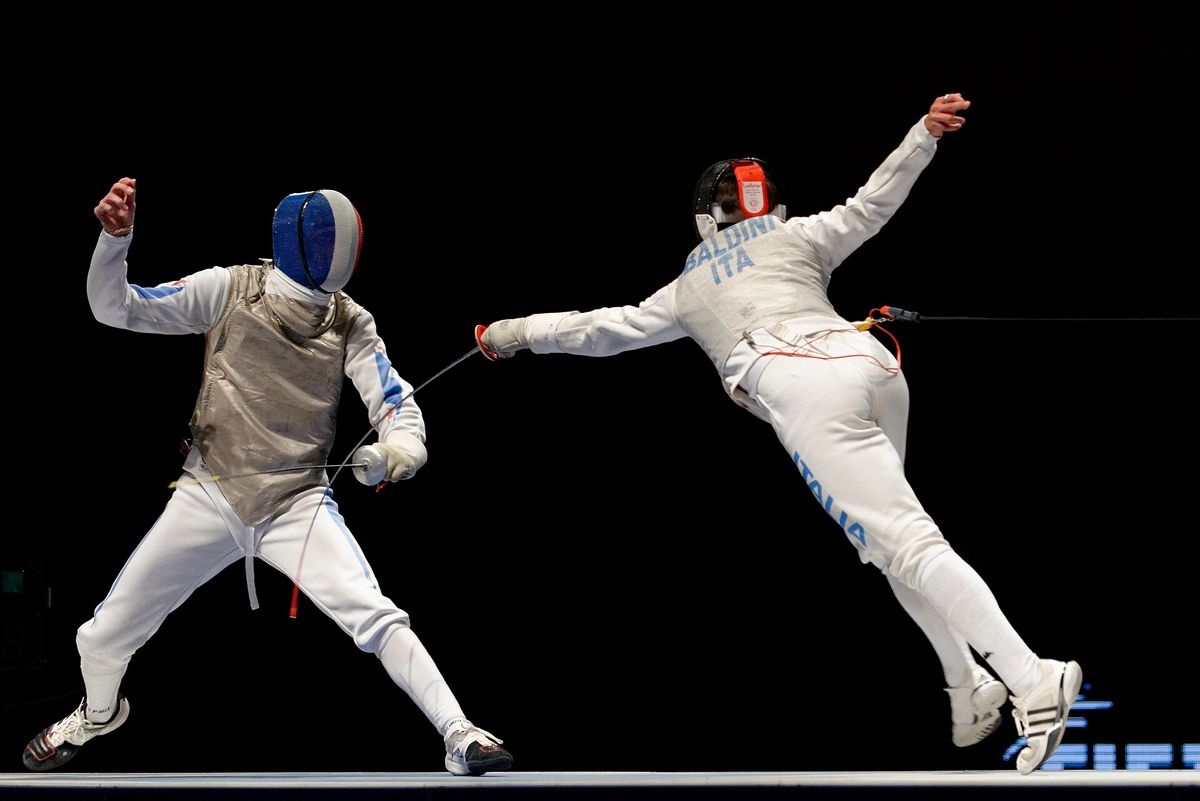
- FencingSword fighting as a sport. Two fencers on a narrow strip try to hit each other with a blunt blade, and an electric circuit shows every hit.
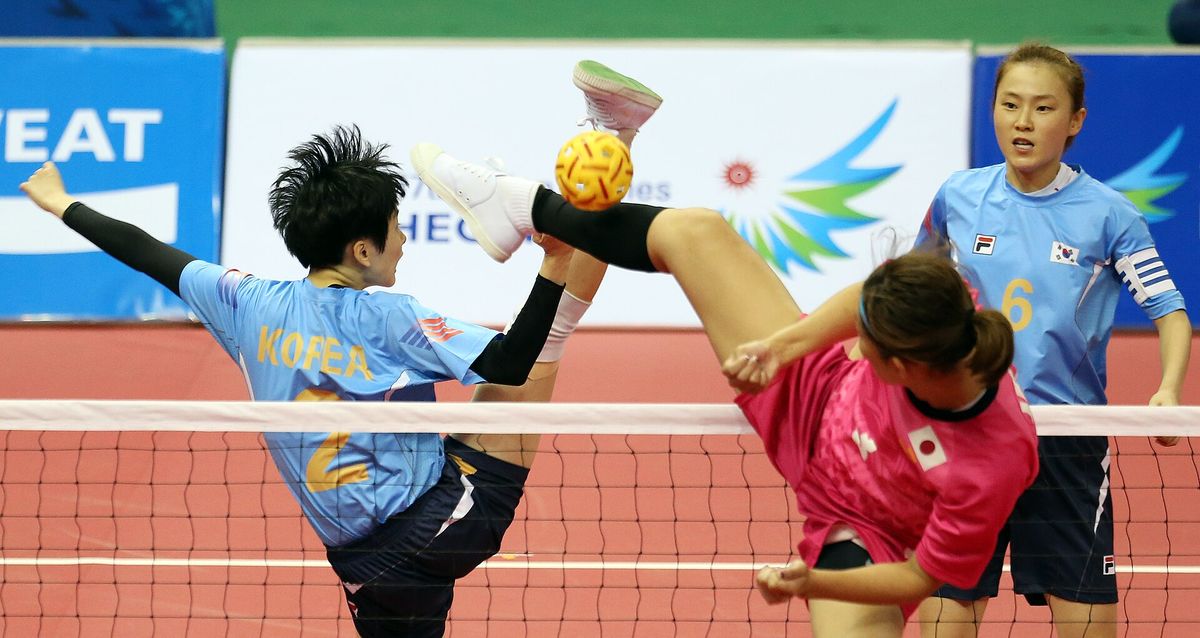
- Sepak takrawA net game for three a side, played with a woven ball that is kicked, kneed and headed over the net and never touched with a hand or arm.
Every sport, by kind of game
Grouped by what the players are trying to do: get the ball past a net, invade the other side’s ground, hit and run, hit a target, or perform for a clock, a tape or a panel.
Net and wall10
Invasion14
Performance22
Why the rules are the way they are
Every law was written by someone, for a reason, on a date. Badminton went to 21-point rally scoring in 2006 so that a match would fit a broadcast slot. The javelin was redesigned in 1986 because throws were reaching the end of the stadium.
The history lays all 360 recorded changes on one time axis, so the patterns show: scoring rewritten for television, safety rules after injuries. Some changes cut a record book in two, and those breaks are drawn as breaks.
Read-only and static. The laws are entered from the edition each governing body names, and a figure not yet checked against that text says so on the page.
How far each citation has been checkedHow the facts are kept honest